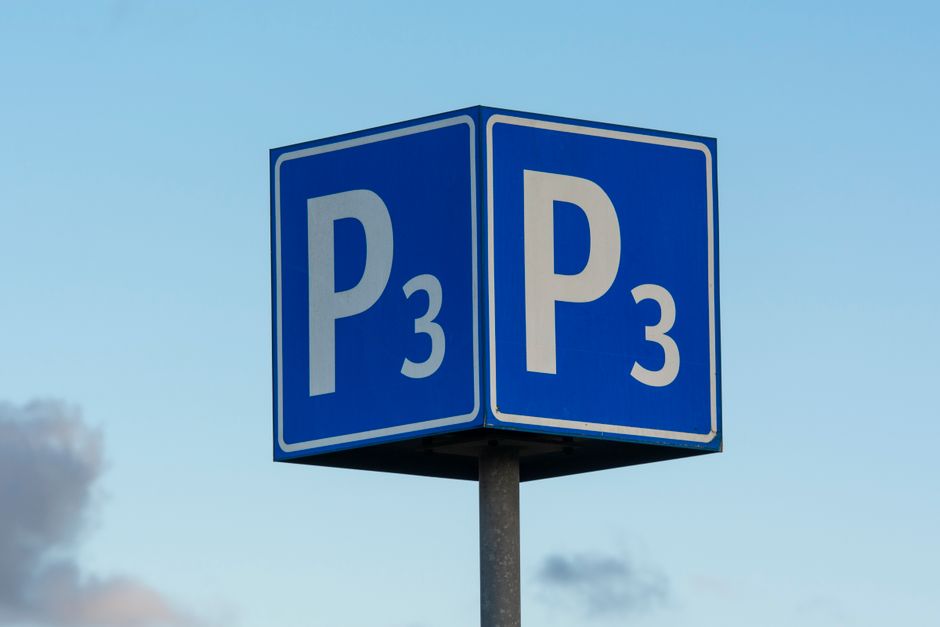
BR6 removals parking tips near Chelsfield Station

If you are planning a move around BR6 and trying to work out the parking side of things near Chelsfield Station, you are not alone. It is one of those details that looks small on paper and then suddenly becomes the bit that can make or break a smooth moving day. A van arriving five minutes late is annoying; a van having nowhere legal to stop is a whole different headache. This guide gives you clear, practical BR6 removals parking tips near Chelsfield Station so you can keep the day moving, avoid unnecessary delays, and make life easier for everyone involved.
We will look at how local parking considerations usually affect removals, what to check before the first box is lifted, and how to plan around narrow streets, station traffic, neighbours, and loading access. You will also find a simple checklist, a comparison table, and some grounded advice from the kind of situations people run into on real moving days. Truth be told, parking is rarely glamorous. But it matters. A lot.
Why BR6 removals parking tips near Chelsfield Station Matters
Parking is often the hidden pressure point in any residential or commercial move. Near Chelsfield Station, that pressure can rise quickly because station-adjacent roads tend to be busy at commuting times, more tightly used by local residents, and less forgiving when a removal van needs a bit of breathing room. In practical terms, the difference between a well-placed vehicle and a badly placed one can be the difference between a calm move and a day full of awkward carrying, double handling, and apologising to neighbours.
For removals in BR6, parking matters for three reasons. First, it affects access: if the vehicle cannot get close enough to the property, your team spends more time walking boxes, sofas, and awkward bits of furniture up and down the street. Second, it affects timing: delays build fast when drivers must circle the area or wait for a space to open. Third, it affects safety: lifting items across longer distances, especially on uneven pavements or around parked cars, increases the risk of knocks, trips, and damage. Not ideal.
There is also the human side. If you live near the station, you already know the rhythm of the area. The morning rush, school-run pressure, returning commuters, and the usual busy flow can all make a simple stop feel more complicated than it should. A little planning can take a huge amount of stress out of the day. That is the real reason these parking tips matter.
If you are arranging a wider move, it can also help to think beyond parking alone. Services like home moves, house removalists, or a flexible man and van arrangement can give you more control over how the vehicle is positioned and how long it stays on site. That flexibility can be especially useful where space near the station is tight.
How BR6 removals parking tips near Chelsfield Station Works
At a basic level, the process is simple: you plan where the removal vehicle can stop, how long it needs to stay there, and what back-up options exist if the first choice is taken. In reality, it is a little more layered than that. You need to think about the layout of the road, whether there are yellow lines, whether the space is likely to be occupied, and whether your removal crew will need direct access to the front door or side entrance.
Many moves near station areas follow a familiar pattern. A van arrives early, the driver checks the safest legal position, and the team loads the vehicle in stages. If there is good frontage, the process is efficient and tidy. If there is not, the team may need to park a little further away and use trolleys, lifting straps, or manual carrying to bridge the gap. None of that is unusual, but it needs to be expected rather than improvised on the day.
For larger home moves or office relocations, vehicle size matters as well. A smaller vehicle may be easier to position near Chelsfield Station, while a larger one may need more space to reverse, unload, or stay clear of corners. That is one reason some people prefer a broader setup such as moving truck hire or removal truck hire when the move includes bulky furniture or a high volume of boxes. The right vehicle size can make parking simpler, which sounds obvious, but people often forget it until moving day.
To be fair, the biggest mistake is assuming parking will sort itself out. It usually does not. It rewards the person who thought about it the day before, not the person standing in the road at 8:15 a.m. hoping for luck.
Key Benefits and Practical Advantages
Good parking planning may not be the most exciting part of moving, but it creates some very real benefits. You feel them immediately on the day, and sometimes for hours afterwards when the rest of the move is still unfolding.
- Faster loading and unloading: the shorter the carry distance, the less time the team spends walking items back and forth.
- Reduced risk of damage: shorter routes mean fewer chances to bump walls, gates, kerbs, cars, or door frames.
- Less physical strain: your movers and helpers do not waste energy on unnecessary carrying.
- Better neighbour relations: a tidy, planned stop looks more considerate than a van left awkwardly across driveways or junctions.
- More predictable timing: the schedule is easier to control when parking is already thought through.
- Lower stress: you are not improvising under pressure while furniture is already halfway out the door.
There is also a commercial advantage if you are moving a business. A good parking plan helps protect furniture, IT equipment, stock, and files from weather exposure and unnecessary handling. If you need a coordinated workplace move, services like office relocation services or commercial moves are especially helpful because they are built around that kind of logistical discipline.
A smaller but important benefit is goodwill. If a mover arrives prepared, keeps the vehicle tidy, and avoids blocking access for too long, people notice. Not everyone says so out loud, but they do notice.
Who This Is For and When It Makes Sense
This topic is relevant if you are moving from, to, or within the BR6 area and your property is anywhere near Chelsfield Station, station roads, or neighbouring residential streets where parking is at a premium. It is also relevant if you are arranging a single-item pickup, a partial house move, or a full relocation and want the day to run cleanly.
It makes particular sense for:
- homeowners moving out of a terraced or semi-detached property with limited frontage
- tenants leaving a flat where the only loading space is roadside
- families with bulky furniture or large wardrobes
- older residents who want as little disruption as possible
- small businesses relocating stock, furniture, or equipment
- anyone using a man with van or similar flexible removal option
It is also worth paying attention if your move involves extra stops. For example, perhaps you are taking a sofa to one address and a bed to another, or you need temporary holding space for a few items. In those cases, a quick, adaptable service such as furniture pick up can work neatly alongside your main move. Simple jobs still benefit from parking planning. Maybe even more so, because people assume they will be quick and then the road says otherwise.
If you are not sure what type of service fits, a friendly conversation with the team can save a lot of guesswork. The right setup depends on the property, access, load size, and timing. That is just the honest truth.
Step-by-Step Guidance
Here is a straightforward way to approach parking for a move near Chelsfield Station. Nothing fancy. Just the kind of method that works in the real world.
- Walk the street before moving day. Look at the width of the road, likely pinch points, and where vehicles normally stop. Notice whether there are bends, driveways, or junctions that could be affected.
- Check the likely loading point. Think about where a van can stop without causing problems. The ideal spot is usually as close as possible to the entrance while still allowing safe access for other road users.
- Measure the distance from the property to the vehicle space. You do not need a laser measure. Even a rough mental estimate helps you judge whether trolleys or extra hands will be needed.
- Identify a backup location. If the first space is taken, where will the van go next? Having a Plan B prevents the driver from circling and losing time.
- Prepare your neighbours and household. Let people know if bins, cars, or access points need to be shifted. A quick conversation can prevent frustration later.
- Move your own vehicle early. If you have a car on the street, park it elsewhere before the removal team arrives. This small step solves a surprising number of problems.
- Keep key items ready for immediate loading. Boxes, labels, and fragile items should be in place so the crew can load in an efficient order.
- Have a contact person available. If the driver needs a decision on arrival, someone should be able to answer quickly. Waiting around for a call-back is never fun.
If you are moving a larger load, a vehicle with a bit more capacity may save repeat trips. That is where moving truck options can become useful. On a small street, fewer journeys can be a bigger win than shaving one minute off the parking search. That sounds dull, but it really does matter.
Expert Tips for Better Results
In our experience, the best parking outcomes come from people who think like a logistics coordinator for ten minutes. Not all day. Just ten minutes. Here are the practical things that make a difference.
Time the arrival properly
Near a station, timing is everything. If you can, avoid the busiest commuter windows. Early morning can still be busy, but the exact pressure point depends on the road and the day. Mid-morning often gives a calmer rhythm. That said, every street has its own personality. You learn it quickly once you watch.
Leave room for the doors and the ramp
A van that is technically parked is not always a van that is properly parked for removals. You need enough room to open doors safely, set a ramp if required, and move items without twisting awkwardly. Tiny clearance can become a big problem once a wardrobe appears.
Use a smaller vehicle if access is tight
Sometimes the smartest option is not the biggest van available. A smaller vehicle can park more easily, turn more cleanly, and reduce the chance of obstructing neighbours. If the load is substantial, consider split loads or two trips rather than forcing a large vehicle into a space that does not suit it.
Protect surfaces on both sides of the journey
Parking is only part of the movement. The rest is doorways, steps, gates, and hall floors. Use coverings where needed and keep the pathway clear. One muddy boot on a white carpet can colour your whole memory of the day, and not in a good way.
Ask about vehicle flexibility
If your move is a bit awkward, ask whether the service can adapt to the street layout. A flexible man and van arrangement often gives you more room to work with than a rigid, oversized setup. For many BR6 moves, that flexibility is the quiet hero.
Expert summary: The best parking plan is the one that reduces walking distance, avoids blocking access, and gives the team room to work safely. If you get those three things right, the rest of the move is usually much easier.
Common Mistakes to Avoid
People usually do not make parking mistakes because they are careless. They make them because they are busy, tired, and trying to solve ten other moving tasks at once. Still, some errors come up again and again.
- Assuming there will be space outside the property: near station roads, that is often a hopeful guess, not a plan.
- Forgetting about other residents: blocking a driveway or tight corner can trigger problems very quickly.
- Underestimating carrying distance: what looks like "just around the corner" can feel much longer with a fridge in front of you.
- Leaving cars in place until the last minute: this is one of the easiest things to fix and yet one of the most common oversights.
- Not checking door swing or driveway width: a van might fit, but not if the rear doors cannot open fully.
- Ignoring weather conditions: rain, wet leaves, and icy patches all make long carries less pleasant and less safe.
- Trying to improvise without a backup: if the first parking space disappears, you need a second option already in mind.
A small but costly mistake is assuming that every move needs the same setup. A compact flat clearance is not the same as a family home move, and neither is the same as an office relocation. If you need help with unpacking and order-of-operations once you arrive, a service like packing and unpacking services can ease the transition. It is not only about filling boxes. It is about arriving in a way that makes sense.
Tools, Resources and Recommendations
You do not need a pile of specialist kit to manage parking well, but a few practical tools help a great deal. The aim is to remove guesswork and reduce moving-day panic, not to turn your hallway into a control room.
- Phone notes: jot down the plan, the backup location, and the contact name of the driver or lead mover.
- Household tape or signs: useful for marking boxes, reserved items, or a temporary no-parking arrangement within your own drive.
- Reflective vests or gloves: not essential for every move, but helpful if you are assisting at dusk or in poor visibility.
- Trolleys and straps: these reduce carrying strain when the vehicle must park a little further away.
- Extra blankets and coverings: handy if furniture needs to be rested briefly outside while access is sorted.
It also helps to choose a removals provider that gives you honest, plain-English advice rather than overpromising. If you want to understand the company background before booking, about us is often the right place to start. And when you are ready to talk through the move itself, contact us is the sensible next step. Straightforward, no drama.
For wider reading on the business side of the service, or to understand how bookings and site use are handled, the pages on privacy policy and terms and conditions can be useful too. Not glamorous, granted, but worth a quick look.
Law, Compliance, Standards, or Best Practice
Parking for removals needs to be approached carefully because local streets, traffic flow, and access rights can all be affected. While the exact rules may vary depending on the road, any restrictions, and the local authority's arrangements, the safest approach is to keep things legal, considerate, and well communicated. If a location has waiting restrictions, controlled parking, or narrow access, assume you will need to plan around them rather than hope they will not matter.
In practical terms, best practice usually includes the following:
- do not block driveways or emergency access
- avoid unsafe stopping positions near bends or junctions
- keep unloading time as short as reasonably possible
- use safe lifting and carrying methods
- respect neighbours and shared access routes
If your move is especially large or operationally sensitive, a more structured setup may be appropriate. That might involve a larger vehicle, additional crew, or a more formal loading plan. Services such as removal truck hire can help when the logistics need more control. A heavier-duty approach does not suit every move, but when it does, it can prevent a lot of friction.
One practical rule of thumb: if you are unsure whether a stop is lawful or sensible, do not rely on guesswork. Ask, check, or reposition. A few extra minutes spent right can save a much bigger mess later. That is probably the least exciting advice here, but also the most useful.
Options, Methods, or Comparison Table
Different moves need different parking strategies. The table below gives a simple comparison of common approaches and when they usually make sense.
| Method | Best for | Strengths | Watch-outs |
|---|---|---|---|
| Front-of-property roadside parking | Properties with enough frontage and short carry distance | Fast loading, simple access, less handling | Can be impossible near busy station roads if spaces fill quickly |
| Short-distance parking nearby | Tight streets or occupied frontage | More realistic in busy areas, often easier to arrange | Longer carry distance, extra labour, more time |
| Smaller vehicle with closer access | Homes with narrow roads or awkward turning space | Easier to position, less street disruption | May require more careful load planning |
| Larger truck with controlled loading window | Big household or business moves | More capacity, fewer repeat trips | Needs better planning and more road space |
There is no single perfect method. The right choice depends on the street, the property, and the volume of goods. In some cases, the smartest solution is not the biggest vehicle but the best-placed one. Small detail, big impact.
Case Study or Real-World Example
Imagine a family moving from a house a short walk from Chelsfield Station on a weekday morning. The property itself is straightforward, but the road is narrow and parking tends to tighten up as commuters come and go. On paper, the move looks simple. In practice, it could get awkward very fast.
Instead of waiting until moving day, the family walks the street the evening before and identifies two possible loading spots. One is directly outside the property but often occupied. The second is slightly further along the road but leaves plenty of room for a ramp and door access. They move their own car the night before, keep boxes ready by the front door, and tell a neighbour that there will be a van stopping briefly.
On the day, the first spot is taken. No problem. The driver uses the backup location, which means the team has a slightly longer carry but still works safely and without stress. Because the furniture is grouped sensibly and the key items are ready, loading remains efficient. There is still a bit of hustle, of course. Moving days always have a bit of hustle. But it stays manageable.
Now compare that to a move where nobody checked the road. The van arrives, circles, waits, and eventually has to stop farther away than planned. The team wastes time. The household gets flustered. Someone is looking for the kettle box while someone else is wondering where the car keys are. You know the scene. It is not terrible, just messy in a very avoidable way.
That contrast is why parking planning deserves attention. It does not need to be perfect. It just needs to be thought through.
Practical Checklist
Use this checklist the day before your move near Chelsfield Station. A quick run-through can save a surprising amount of stress.
- Confirm the loading point and a backup parking option
- Move your own car out of the way
- Check for driveways, tight corners, and access obstacles
- Tell neighbours if access may be affected briefly
- Keep essential boxes near the exit
- Make sure the team has a clear contact number
- Prepare coverings for floors and furniture if needed
- Plan for rain, darkness, or poor visibility if the move runs late
- Choose the right vehicle size for the load
- Keep a little flexibility in the schedule
Quick takeaway: the best BR6 removals parking plan is the one that keeps access close, legal, and calm. Everything else becomes easier once that part is sorted.
And if you want a service that can help match the vehicle to the access rather than forcing the access to fit the vehicle, a practical moving approach usually beats a flashy one. Simple, honest, workable. That is the aim.
Get a free quote today and see how much you can save.
Conclusion
Parking near Chelsfield Station can be straightforward when you plan ahead, and surprisingly frustrating when you do not. That is the real story here. Good removals parking is not about fancy tricks or complicated logistics. It is about seeing the road clearly, choosing the right vehicle and timing, and giving yourself enough room to work without panic.
If you are moving in BR6, a little preparation around parking can improve speed, reduce lifting strain, protect belongings, and make the day feel far less chaotic. Whether you are moving a single room, a family home, or a business premises, the same principle applies: think access first, and the rest follows more smoothly.
Be kind to yourself on moving day. Sort the parking, keep the plan simple, and let the job unfold one step at a time. It usually goes better than people fear, honestly.
Frequently Asked Questions
What are the best BR6 removals parking tips near Chelsfield Station for a small house move?
The best approach is to walk the street beforehand, choose the closest safe loading point, move your own car early, and have a backup space in mind. For a small move, reducing carry distance usually makes the biggest difference.
Should I try to reserve a space for my removal van near Chelsfield Station?
If you can do so lawfully and without causing disruption, it may help, but the main priority is having a realistic loading plan. Never assume a space will stay free unless you have a proper arrangement in place.
Is a man and van service better for tight BR6 parking?
Often, yes. A more flexible vehicle setup can be easier to place on narrower roads. Services like man and van or man with van are frequently chosen for this reason, especially where access is awkward.
What if there is no parking directly outside my property?
That is common near station areas. The solution is usually a planned alternative parking point with a slightly longer carry route. Trolleys, straps, and an organised loading order can help a lot.
How far in advance should I think about parking for a removal?
At least a day in advance is sensible, and earlier for busier roads or larger moves. If the street is tight or likely to be busy, checking ahead of time is one of the easiest ways to avoid stress.
Do I need a larger truck for a move near Chelsfield Station?
Not always. A larger vehicle can reduce trips, but it may be harder to position in a narrow street. The best choice depends on the load size, access, and how much road space is available.
Can office moves in BR6 use the same parking approach as home moves?
Some of the basics are the same, such as access planning and timing, but office moves often need tighter coordination because of furniture, equipment, and business continuity. That is where office relocation services can be especially helpful.
What should I do if my neighbours need driveway access on moving day?
Tell them in advance, keep the loading window as short as possible, and avoid blocking access. A polite heads-up goes a long way. People are usually far more understanding when they know what is happening.
Is it worth using packing help if parking is difficult?
Yes, it can be. If access is tight, organised packing speeds up loading and reduces the time the van needs to stay parked. That is especially useful if you are using packing and unpacking services.
What is the main mistake people make with removals parking near stations?
The main mistake is underestimating how busy and tight the area can be. People often assume there will be a convenient space, then lose time searching for one while the move is already under way.
How can I make a last-minute parking plan if I have little time?
Focus on three things: closest safe stop, backup stop, and who will move cars or open access points. Keep it simple. A quick, clear plan is far better than no plan at all.
What if I need help with a full home move and parking is awkward?
If parking is likely to be a challenge, a more structured move can help. Options such as home moves or house removalists can be a better fit when the job needs proper planning and steady handling.
Can I ask for advice before booking?
Absolutely. A good moving conversation should cover access, parking, vehicle size, timing, and the type of load. If you need to ask questions first, contact us is the natural place to start.
What should I remember most about BR6 removals parking tips near Chelsfield Station?
Keep the vehicle close, keep the plan legal, and keep a backup in mind. That simple combination solves more moving-day stress than most people expect. And it helps the day feel a lot less like a scramble.