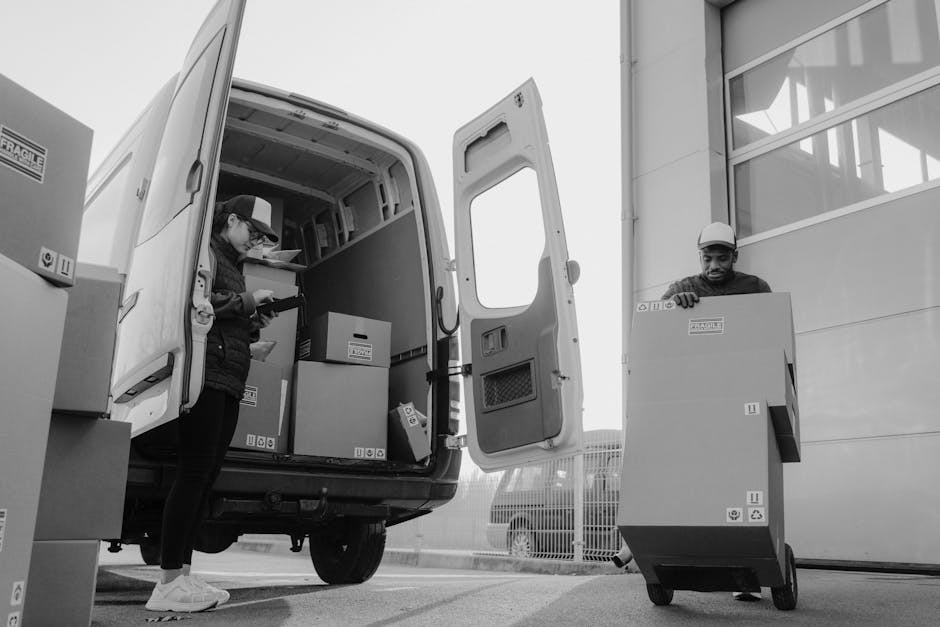
Do I Need a Permit for a Pratts Bottom Moving Van?
If you are planning a move and wondering, Do I Need a Permit for a Pratts Bottom Moving Van?, you are not alone. It is one of those questions people ask once the boxes are already stacked in the hallway and the clock is quietly ticking. The short answer is: sometimes yes, sometimes no. It depends on where the van will stop, how long it will stay, whether loading is happening on a public road, and what local access rules apply on the day.
This guide breaks it down in plain English. You will learn when a permit or parking permission may be needed, how moving-van access usually works in practice, what mistakes cause delays, and how to keep your move smooth without overcomplicating it. If you are comparing services too, it may help to look at the broader moving support available through man and van help, home moving support, or even a larger moving truck option if your load is bigger than you first thought.
Truth be told, the permit question often matters less because of the paperwork itself and more because of timing, access, and good planning. That bit can save you a lot of stress. And yes, moving day does have a way of revealing every hidden bottleneck in a street.
Table of Contents
- Why the permit question matters
- How permits and parking access usually work
- Key benefits and practical advantages
- Who needs this and when it makes sense
- Step-by-step guidance
- Expert tips for a smoother move
- Common mistakes to avoid
- Tools, resources and recommendations
- Law, compliance and best practice
- Options and comparison table
- Case study or real-world example
- Practical checklist
- Conclusion
- Frequently asked questions
Why Do I Need a Permit for a Pratts Bottom Moving Van? Matters
The reason this question matters is simple: a moving van needs space. If the van cannot stop legally and safely near your property, everything gets harder. Items have to be carried further, loading takes longer, and the risk of delays climbs fast. In some cases, a driver may need permission to wait, load, or park on a public street. In others, the issue is not a formal permit at all, but whether there is enough room, a suitable bay, or another place for the vehicle to stand.
For many home moves, the real challenge is not the distance from front door to van. It is the practical reality of narrow roads, parked cars, school-run traffic, or restrictions that kick in at awkward times. If your street feels tight even on a normal Tuesday, moving day can be a bit of a puzzle. A permit can be the difference between a calm start and a last-minute shuffle of vehicles and boxes.
There is also the matter of neighbours and access. A van blocking a driveway, sitting across a dropped kerb, or staying longer than allowed can create complaints or fines. Nobody wants a lift, a sofa, and a parking issue all at once. So even if a permit is not always required, checking access early is the sensible move.
Expert summary: A permit is not always mandatory for a Pratts Bottom moving van, but parking restrictions, loading rules, and road access can still affect whether the van can legally stop near your property.
If you are arranging a larger domestic move, a team that handles house removals or home moves will usually think about this early, because it changes the whole plan for the day.
How Do I Need a Permit for a Pratts Bottom Moving Van? Works
Let's make this practical. A moving van is usually allowed to use the road like any other vehicle, but stopping, waiting, or loading in certain places may be controlled. That is where permits, dispensations, suspensions, or parking permissions can come into play. The exact system depends on the location and the local road rules that apply to the street where the van will park.
In everyday terms, here is what usually happens:
- You check whether the van can park directly outside or near the property.
- You look for yellow lines, resident-only bays, time restrictions, or loading limits.
- You confirm whether the vehicle can stop long enough for loading and unloading.
- If needed, you arrange permission in advance so the van is not caught out on the day.
- You make sure the driver knows where to stop and how long they can stay.
There are a few different scenarios. Sometimes the street is unrestricted and everything is straightforward. Sometimes there is loading allowed for a short period, which may be enough for a quick furniture pick-up. In tighter cases, particularly with a full house move, a larger vehicle or removal truck hire may need additional planning because the vehicle will occupy more kerb space and may need longer loading time.
It also helps to understand that a permit does not always mean a "special move permit" in the dramatic sense people imagine. Often it is just permission to use a parking bay, suspend a space, or avoid enforcement where loading is otherwise restricted. Simple enough, though the paperwork can feel less simple at 8 a.m. with a kettle still in a box.
Common situations where permission may be needed
- Parking in a controlled bay while loading or unloading
- Stopping on a narrow road with limited access
- Using shared access where other vehicles still need room to pass
- Moving on a street with timed restrictions
- Relocating from a property where the van cannot fit on private drive space
If you are moving office furniture or stock, the same logic applies. A commercial move often needs a bit more logistics because of larger deliveries, building access rules, and time pressure. That is why many businesses lean on commercial moves support or office relocation services rather than trying to improvise on the day.
Key Benefits and Practical Advantages
Checking the permit question early has very real benefits, even if it turns out no permit is required. You get clarity. You reduce risk. And you stop planning around assumptions, which is where a lot of moving day pain begins. Honestly, half of moving stress comes from the word "probably".
- Less chance of penalties: If a street is restricted, the van is less likely to be ticketed or moved on.
- Faster loading: Parking as close as possible saves time and effort.
- Smoother teamwork: Movers are not carrying heavy items a long way down the road.
- Better timing: You can plan around peak traffic, neighbours, and access windows.
- Less property risk: Fewer long carries mean fewer chances of bumping walls, fences, or door frames.
There is also a quiet psychological benefit. When the parking side is sorted, everything feels more manageable. The boxes, the tape, the last-minute panic about the kettle, all of it sits in a more organised frame. That sounds small, but on moving day small things matter.
For example, if a client is arranging a simple furniture pick-up, a tight parking arrangement can be the only thing standing between a quick job and a frustrating one. In those cases, services like furniture pick-up can be a neat fit because the vehicle and timing are planned around a lighter load.
Who This Is For and When It Makes Sense
This topic matters most to anyone whose moving van may need to stop on a public road. That includes homeowners, renters, landlords, small businesses, and anyone arranging collection or delivery of bulky items. If you are moving from a property with no driveway, limited front access, or a narrow road, this is definitely your problem to solve before the van arrives.
It also makes sense to think about permission if:
- your property is on a busy road
- there are yellow lines or permit bays nearby
- the van will need to wait while you finish packing
- you expect a larger vehicle rather than a small van
- you are moving at a time when road space is tight, such as early morning school traffic or late afternoon commuter hours
For some people, a smaller man with van arrangement is enough because the load is modest and the stop is short. For others, especially a full family move with heavier furniture, a broader removal setup may be easier. There is no single right answer. It really depends on your property, your street, and how much stuff you have. A sofa in a narrow terrace can be more of a drama than a three-bedroom flat, to be fair.
If your move is mainly about household contents and standard furniture, man and van services are often the most flexible starting point. If the job is bigger, a larger vehicle and a firmer plan may be better. The permit question becomes more important as the vehicle size and loading time go up.
Step-by-Step Guidance
Here is a practical process you can use before booking a van or removal slot. It is simple, but it works.
- Check your street conditions. Look for yellow lines, parking bays, resident-only signs, time restrictions, and width issues.
- Measure the access. A rough sense of kerb space, driveway clearance, and turning room helps more than people think.
- Decide what vehicle size you need. A small van, medium van, or removal truck each creates different access demands.
- Estimate loading time honestly. Be generous. Underestimating time is one of the easiest ways to create problems.
- Confirm whether permission is required. If the van must use a restricted bay or controlled area, arrange the right approval early.
- Brief everyone involved. The driver, helpers, and anyone opening doors or moving furniture should know the plan.
- Prepare an access-friendly load-out. Put the heaviest and first-needed items near the exit so the van can be loaded efficiently.
A good move often feels boring in the best possible way. No drama. No guessing. Just clear access, steady loading, and enough room to breathe.
If you are also packing in the days before the move, consider professional help with packing and unpacking services. It can reduce the last-minute scramble and make the loading day easier to organise.
Expert Tips for Better Results
Here are the bits people often learn the hard way. Better to hear them now than while standing in the rain looking for a place to put a wardrobe.
- Check both sides of the street. Sometimes the best legal stopping point is not directly outside your door.
- Think about the van's door swing. A vehicle may technically fit but still be awkward to load if the rear cannot open fully.
- Build in buffer time. Traffic, key handover delays, and last-minute packing always seem to appear together.
- Have a backup plan. If the preferred space is taken, know where the van can legally wait.
- Keep essentials separate. If the van has to park further away than expected, you do not want to be searching for chargers and paperwork in the last box.
One small but useful habit is to take a quick photo of the road outside before moving day, especially if there are signs or markings you might forget. It is not glamorous, but it helps. And it can settle arguments later when two people remember the bay differently.
If your move is business-related and you are dealing with files, IT equipment, or stock, planning access is even more important. Buildings can have lift bookings, loading windows, and service entrance rules. That is why some companies prefer structured commercial moves or dedicated office relocation services instead of piecing everything together on their own.
Common Mistakes to Avoid
Most moving permit problems come from one thing: assuming the street will be fine. Sometimes it is. Sometimes it really, really is not.
- Leaving permission too late: If approval is needed, sorting it the day before is asking for stress.
- Ignoring loading restrictions: A street can look empty and still be restricted.
- Choosing the wrong vehicle size: Too large, and you create parking problems; too small, and you create extra trips.
- Forgetting neighbours and access routes: Shared drives, driveways, and turning spaces matter more than people expect.
- Underestimating how long large items take: Sofas, wardrobes, and awkward appliances do not move themselves politely.
Another common slip is forgetting that a van parked legally for one task may not be okay for a longer one. A quick drop-off is one thing. A full household load is another. Same road, different reality.
And yes, the classic mistake is assuming someone else has handled it. Driver, customer, moving company, building manager. Everyone thinks someone else checked. That one is practically a moving-day tradition.
Tools, Resources and Recommendations
You do not need a toolbox of fancy systems to make this easier. A few basic tools and sensible habits go a long way.
- Phone camera: Useful for photographing street signs, bays, and access points.
- Rough floor plan: Even a hand-drawn sketch helps show where the van should stop.
- Measuring tape: Handy for checking door widths, furniture depth, and tight corners.
- Checklist notes: Keep one simple list for packing, parking, and access tasks.
- Vehicle planning: Decide early whether a van, truck, or specialist removal vehicle is best.
For larger moves, the vehicle choice often matters as much as the access question. A standard van may be perfect for a few items, while a more substantial vehicle makes sense for a full house move. If you are weighing those options, a moving truck or removal truck hire service can change the whole logistics picture.
If you want to understand the business behind the service as well as the moving options, the about us page is a good place to learn more about the company approach. And if you are ready to ask a question about your specific move, the contact page is the sensible next step.
Law, Compliance, Standards, or Best Practice
When people ask about a permit, they are really asking about compliance: can the vehicle stop where it needs to stop without breaking parking or loading rules? The safest answer is cautious and practical. You should always check local parking restrictions, road markings, and any property-specific rules before moving day. The requirements can vary by street, by time of day, and by vehicle type.
Best practice in the moving industry is straightforward:
- confirm access in advance
- avoid relying on assumptions
- make sure the vehicle can load safely
- keep the move within any stated parking or loading window
- respect neighbouring access and traffic flow
If your building has its own rules, those matter too. Some flats, managed blocks, and commercial premises have separate loading instructions, key access procedures, or booking slots. That is not red tape for the sake of it. Usually it is there because one blocked entrance can disrupt a whole block, and nobody enjoys that sort of chaos before lunch.
For practical certainty, check the terms and conditions of the service you book and understand how access, waiting time, and customer responsibilities are handled. The terms and conditions page can help set expectations, while the privacy policy explains how information is handled when you make an enquiry or booking.
Options, Methods, or Comparison Table
If you are unsure whether you need a permit, it helps to compare the different approaches to moving access. Not every move needs the same setup.
| Option | Best for | Access pressure | Typical downside |
|---|---|---|---|
| Small van | Single rooms, light loads, quick pick-ups | Low to moderate | May need multiple trips |
| Man and van | Flexible home or furniture moves | Moderate | Still depends on street parking |
| Removal truck | Larger homes, fuller loads, bigger furniture | Higher | Needs more kerb space and planning |
| Commercial move setup | Business relocations and office equipment | Moderate to high | More coordination, more moving parts |
This is not about picking the fanciest option. It is about choosing the one that fits the property, the load, and the road outside. A small van is useless if it means six shuttle runs. A giant truck is pointless if there is nowhere lawful to stop. Balance matters.
Case Study or Real-World Example
Picture a typical weekday morning. A family is moving from a terraced house with no driveway. The road is narrow, cars are already lined along one side, and there is a loading restriction near the corner. They initially think a standard van can just pull up outside for an hour. Easy, right?
Then they check properly. The only clear space is a short stretch opposite the house, but it sits within a restricted bay. The movers could still make the job work, but only if the vehicle arrangement is planned in advance. They choose a time slot outside the busiest traffic period, confirm the loading plan, and prepare the first wave of items near the front door. The van arrives, loads steadily, and leaves without drama. The important bit? Nobody has to improvise while standing in the street with a mattress.
Now compare that with the version where nobody checks. The driver arrives, the bay is occupied, the street is busy, and everyone spends twenty minutes searching for an alternative. The move still happens, but the day starts tense and stays that way. Not ideal.
That is why the permit question is really a planning question. It is about whether the van can do its job efficiently and legally, not whether someone is trying to make life difficult. Most of the time, a little foresight solves it before it becomes a problem.
Practical Checklist
Use this checklist before your moving van arrives:
- Confirm the van size and loading time
- Check for yellow lines, resident bays, or loading limits
- Look for private access, driveway, or shared entrance issues
- Decide whether parking permission or a permit may be required
- Tell the movers where to stop and where to avoid stopping
- Prepare boxes and furniture near the exit
- Keep keys, documents, chargers, and essentials separate
- Plan for wet weather, narrow pathways, or awkward corners
- Have a backup parking location in mind
- Double-check the move time the day before
If you can tick off most of these, you are already ahead of the game. Simple checklist, big difference.
Conclusion
So, do you need a permit for a Pratts Bottom moving van? Sometimes yes, sometimes no - but you should never leave it to chance. The real question is whether the van can stop, load, and leave safely and legally where your move takes place. If the answer is uncertain, check early and plan for access rather than assuming it will sort itself out.
The good news is that most moving headaches are preventable. A clear parking plan, the right vehicle, and a realistic loading window will solve more problems than you might expect. Whether you are moving a few boxes, a full house, or office equipment, the principle is the same: keep the road situation simple, and the rest of the move feels a lot lighter.
Get a free quote today and see how much you can save.
And if you are still staring at the street wondering whether the van will fit, that is a sign to check now, not later. Future-you will be grateful. Probably with a cup of tea in hand, standing in a room that finally smells like fresh cardboard and new beginnings.
Frequently Asked Questions
Do I always need a permit for a moving van in Pratts Bottom?
No, not always. It depends on whether the van will park or load in a restricted area, on a controlled bay, or somewhere with time-based restrictions. If the van can use private access or unrestricted parking safely, a permit may not be needed.
How do I know if parking restrictions apply to my street?
Look for signs, road markings, permit bays, yellow lines, and loading instructions near the property. If the road feels tight or highly regulated, it is worth checking early rather than guessing.
What happens if the moving van parks where it should not?
The vehicle may be ticketed, asked to move, or delayed. In a busy move, that can snowball quickly. It is usually much easier to sort access in advance than to rescue the day after the van arrives.
Is a permit more likely needed for a larger removal truck?
Often, yes. Bigger vehicles need more space and may take longer to load, so access planning becomes more important. A larger truck can be the right choice, but it should match the street conditions.
Can a man and van service avoid permit issues?
Sometimes a smaller vehicle gives you more flexibility, but it does not remove parking restrictions. If the street is controlled, even a small van may still need permission to stop in the right place.
How far in advance should I check parking access?
As early as possible. A few days ahead is better than the day before, especially if you need to arrange permissions, coordinate helpers, or book a specific loading slot.
Do office moves have the same permit concerns as house moves?
Yes, and sometimes more so. Office moves often involve building rules, loading bays, and scheduled access windows. That is why many companies use structured office relocation support rather than trying to manage access at the last minute.
What if my property has no driveway or private parking?
Then street access becomes more important. Check whether the van can stop legally nearby, how long it can remain there, and whether any loading permissions are needed for the duration of the move.
Can I use a furniture pick-up service for one item without a permit?
Possibly, if the vehicle can stop legally and the collection is quick. But if the road is restricted, even a short pick-up may need parking permission or a safer loading spot.
What is the safest thing to do if I am unsure?
Check the street rules, confirm the vehicle size, and speak to the moving provider before the day. A quick conversation now can prevent a very annoying delay later. That is just the honest truth.
Does the answer change for flats or managed buildings?
Yes, it can. Flats and managed buildings often have their own access procedures, parking rules, and loading arrangements. Always check the building rules as well as the street rules.
Where can I get help choosing the right moving setup?
If you are deciding between a smaller van, a man and van setup, or a larger removal vehicle, it helps to compare the move size, access space, and timing. The right choice usually becomes clear once those three things are looked at properly.